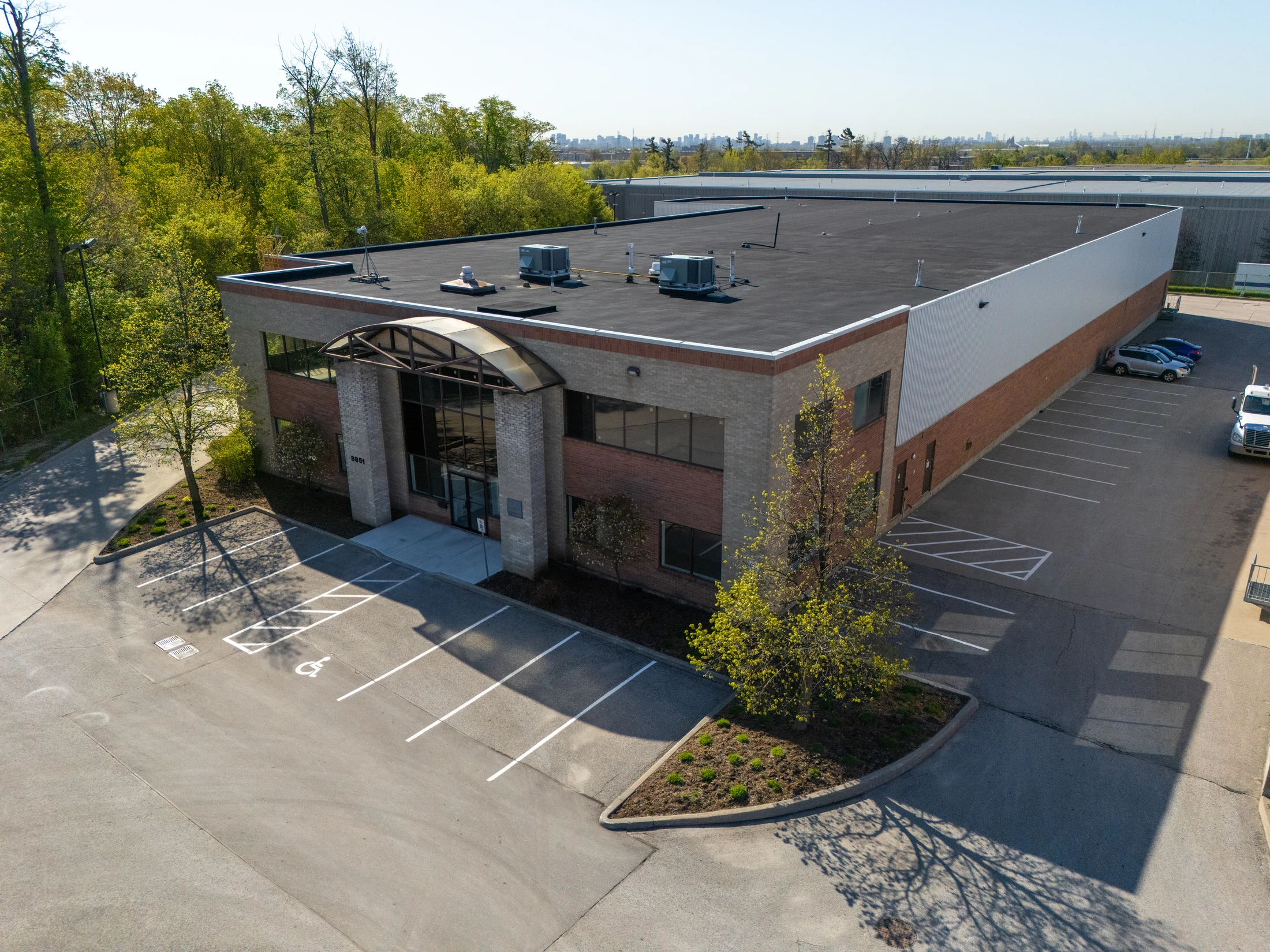
I've lost count of how many GTA industrial real estate properties I've assessed and toured with tenant clients over the last couple of years where the power capacity, specifically the amperage, came up just a bit short for their use.
It's rarely a dramatic gap. It's usually the last item on an otherwise strong shortlist - the location works, the clear height works, the dock configuration works, the rate works - and then the electrical service comes back at a number that won't support the equipment the tenant is planning to install. Sometimes the tenant finds out early enough to negotiate. Sometimes they find out after they've already fallen in love with the building.
What makes this tricky is that power capacity isn't visible on a tour the way ceiling height or dock doors are. You can walk a building, like everything about it, and have no idea whether the service will run your operation until someone actually pulls the panel schedule or calls the utility.
Landlords are being pulled into the electrical business
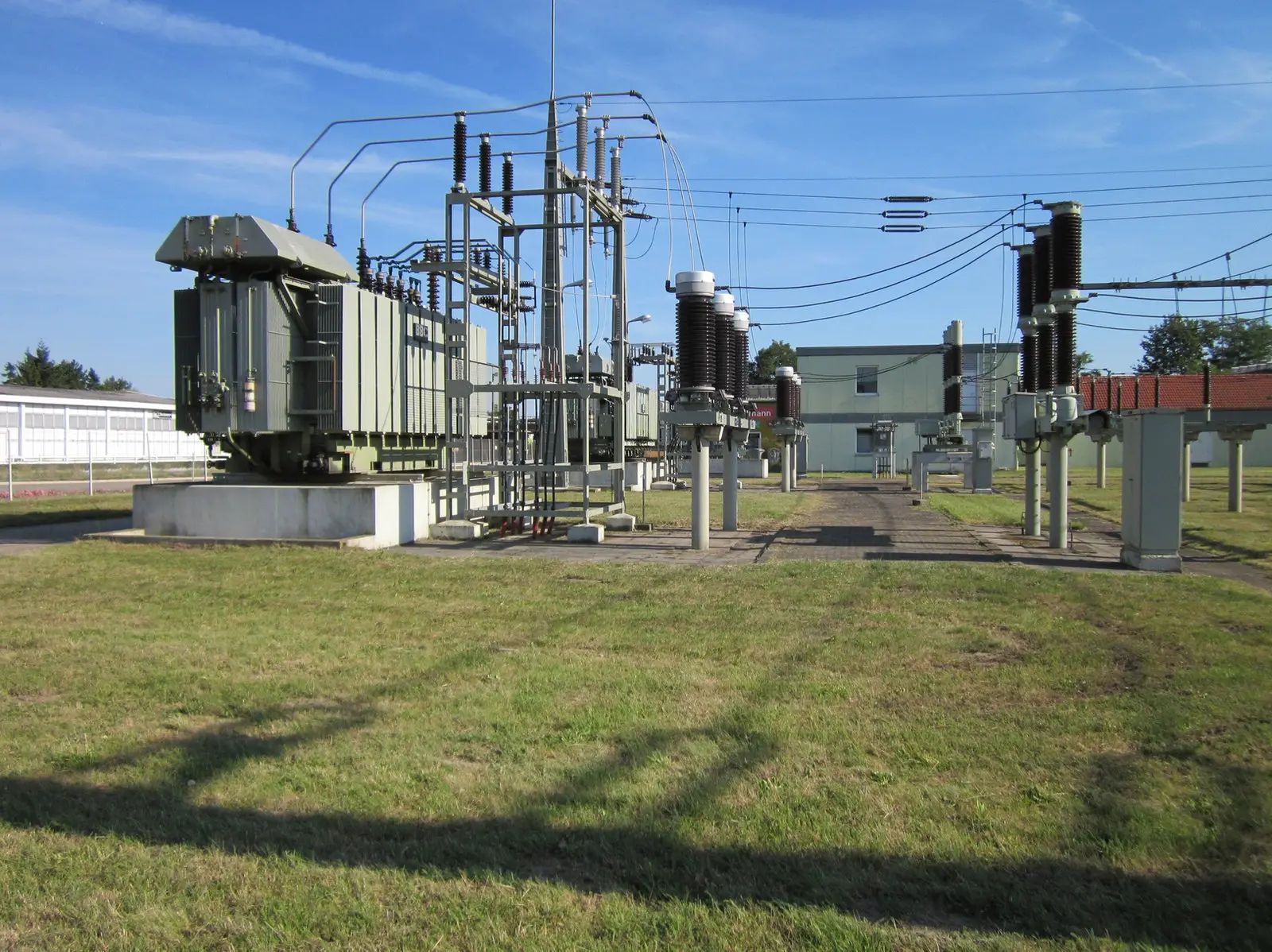
Landlords are more often having to explore power upgrades to their facilities these days, in some cases with on-site reconfigurations such as step-down transformers (which reduces the voltage to increase amperage), and in more extreme cases with upgrades to the main distribution feed supplying the facility via the local utility such as Alectra or Hydro One. Those two scenarios are very different in practice.
An on-site reconfiguration is a building problem. If there's headroom in what the utility already delivers to the property, the fix is a local one in the form of a new transformer, new distribution panel, new runs to where the load actually is. It's capital and it's coordination, but it's controllable.
An upgrade to the incoming service is a utility problem, and that's a different animal. Now you're in a queue. You're dealing with engineering studies, capacity on the feeder serving that pocket of the industrial park, potential work in the right-of-way, and a timeline you don't control. Deals get restructured around those timelines, and occasionally they die on them.
The other question that surfaces quickly: who pays? Power upgrades tied to a specific tenant's equipment tend to land differently in negotiation than base-building improvements the landlord would want to make anyway. It's worth sorting out early, because a $300,000 service upgrade discovered in week three of lease negotiation changes the economics of a deal in a hurry.
This is something I discussed recently with Zakiya Kassam from the Globe and Mail, which is highlighted in the article linked at the bottom of this post.
The counterintuitive part
But this increased need for power is counter-intuitive when you consider that manufacturing, the industrial use most closely associated with power consumption, has been declining in Ontario for decades.
That's the part that catches people. If the traditional heavy power user has been shrinking as a share of Ontario's industrial base, you'd expect the demand on existing building services to be shrinking with it. Plenty of the industrial stock in the GTA West was built for exactly that older profile: a modest service sized for lighting, HVAC, a compressor, and a handful of machines.
So what's the deal with the increased power requirement?
It's a few subtle but noticeable shifts that are making the difference.
1. Warehouse automation
Robotics, automated conveyors, automated sorting systems, and automated assembly/fabrication systems.
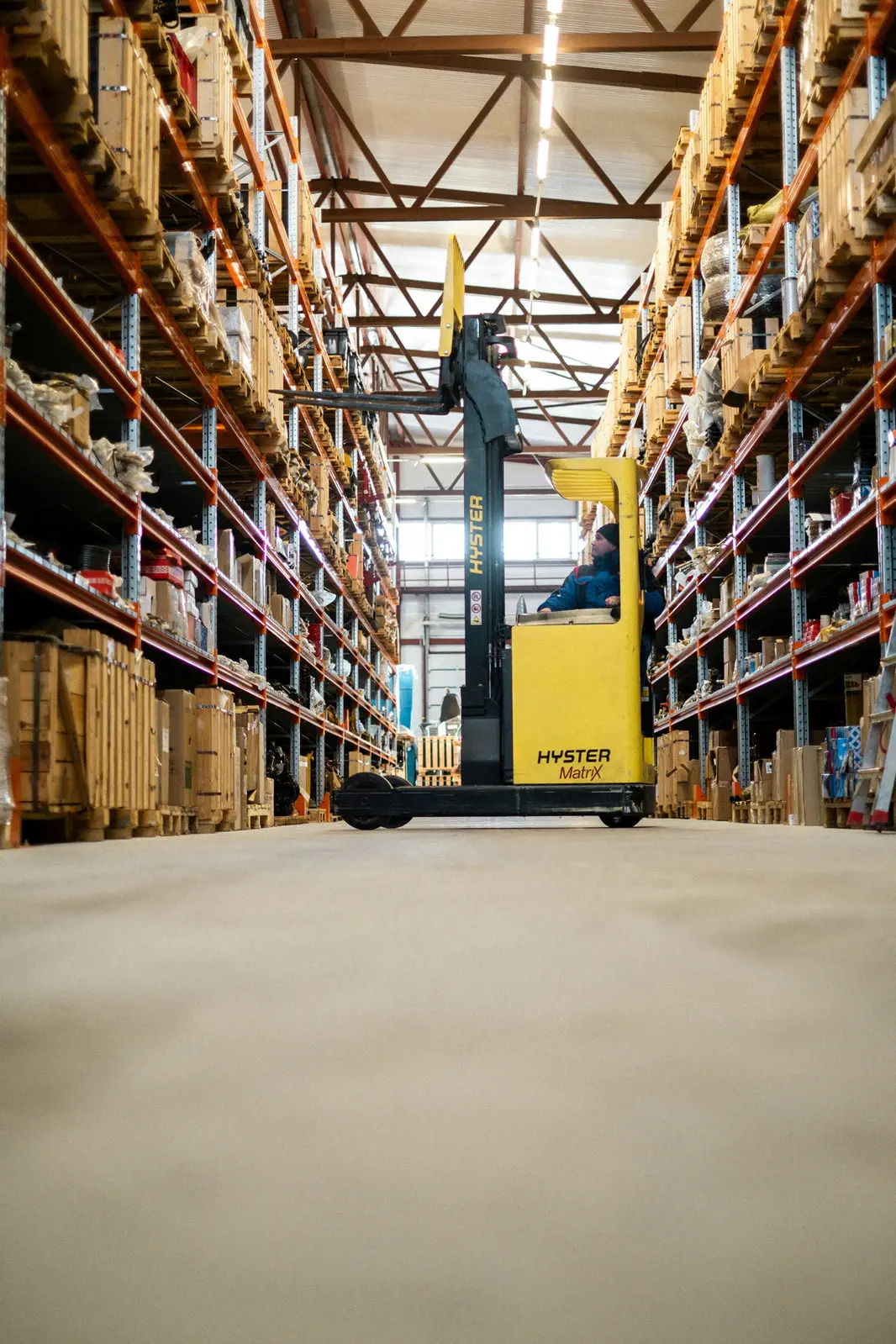
A conventional distribution warehouse is, electrically speaking, a fairly quiet building. Lights, HVAC, some office load, and forklift charging. Automate it and you've added a continuously running mechanical system across the entire footprint, plus the server and networking infrastructure to run it, plus the cooling that infrastructure needs.
The pattern worth noting is that automation is being retrofitted into buildings that were never designed for it. A tenant who signs a five-year deal on a plain-vanilla warehouse and then decides to automate two years in can find themselves right back at the utility.
2. Fleet and forklift electrification
Truck and forklift charging at the dock is often the largest new load a distribution tenant may add.
This one deserves more attention than it usually gets, because it isn't just a question of total consumption, it's a question of when. Charging tends to cluster: fleets come back at the end of a shift and want to plug in at the same time. That creates a peak, and in Ontario, peak demand carries its own cost consequences independent of how many kilowatt-hours you use over the month.
It also scales in a way other loads don't. A tenant might start with two chargers and a pilot program. If it works, they want twenty. The building either has room for that or it doesn't.
3. Gas to electric conversion
More and more, gas-fired ovens, boilers and furnaces are being replaced with electric equivalents as fuel and carbon costs rise.
Every one of these conversions moves load from a gas meter to an electrical panel. The building's total energy consumption might be flat or even down but the electrical service is now carrying work it was never sized to carry.
This is also where corporate sustainability commitments run into physical infrastructure. A tenant with a decarbonization target on paper still needs a building that can support the equipment, and that constraint is increasingly a factor in site selection.
4. Cold storage
Grocery e-commerce and pharma cold chain (both growing industries) are among the most power-hungry uses per square foot in the industrial real estate asset class.
Refrigeration runs continuously and can't be load-shifted the way a production line sometimes can. Purpose-built cold storage accounts for this from the start. The friction shows up when a tenant wants to convert a portion of a dry warehouse to freezer or cooler space, which is a fairly common ask given how quickly both of those sectors have grown.
5. Manufacturing uses that are actually growing
EV supply chain, battery plants, semiconductor fabrication, and food processing are all growing industries that are more energy-intensive than the old-fashioned manufacturing uses they're replacing.
This is the piece that resolves the apparent contradiction. Manufacturing as a category has been in long-term decline in Ontario, but that headline number hides a compositional shift. The manufacturing that's growing is dramatically more power-dense than the manufacturing that left. Fewer facilities, drawing far more per facility.
What this means in practice
For tenants: treat the electrical service as a gating item, not a due diligence detail. Know your amperage requirement before you tour, including whatever you're planning to add in years two through five, not just what you're moving in with on day one. Ask for the panel schedule and single-line diagram early. If a building is short, find out immediately whether the fix is a transformer or a utility feed, because those are different orders of magnitude in both cost and time.
For landlords: understanding the available capacity at your property - not just what's in the building, but what the utility can deliver to it - is becoming a genuine leasing advantage. A building with headroom can be marketed to a category of tenant that a building without it simply can't accommodate, and that gap is widening.
One of the factors mentioned above, an EV battery plant, is detailed in the story at the link below, and I was honoured to be quoted in the article.
For a conversation about your own property requirements, contact Joe Rosati.