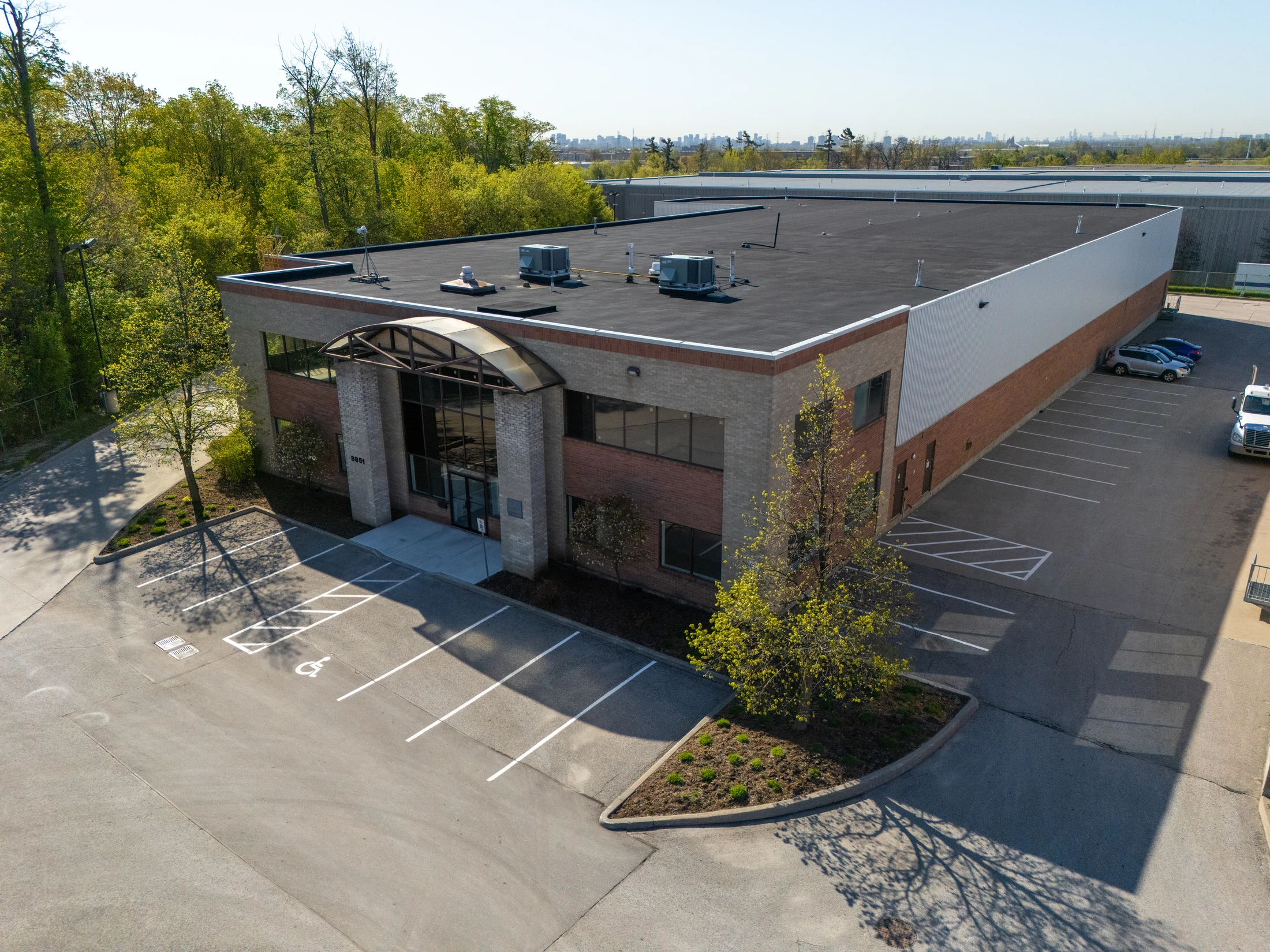
Outdoor storage & equipment yards
Outside storage
Room for the work that happens outside.
Industrial outside storage operations have unique real estate requirements that extend well beyond traditional warehouse space. We specialize in helping businesses secure industrial properties and yards that support outdoor storage, equipment staging, container storage, and yard based operations.
We understand the importance of proper zoning, permitted outdoor storage use, site layout, surface conditions, drainage, fencing, security, and efficient access for trucks and heavy equipment. We evaluate properties with a focus on operational practicality, looking at manoeuvrability, clear ingress and egress, and the ability to store materials or equipment outdoors safely.
With experience working with outside storage users across the GTA, we guide clients through municipal approvals, zoning considerations, and lease negotiations so outdoor storage rights, yard improvements, and long term flexibility are clearly defined. The focus is on securing a property that supports efficient operations while minimizing regulatory risk and future constraints.
Facilities we work with
- Fenced industrial yards
- Container storage yards
- Equipment rental yards
- Heavy equipment storage lots
- Open lot and laydown storage
- Large parcels with heavy, outdoor, or yard industrial zoning
- Covered storage and shelters
- Maintenance yards with a workshop
- Sites with an office trailer or small supporting building
- Truck accessible sites with strong ingress and egress
Why choose us: our outdoor storage and equipment yard advantage
Outdoor storage is a permission before it is a property. A yard that looks ideal is worth nothing if the by-law does not allow the use, so that is where every search starts.
- Knowledge of the municipal zoning, by-laws, licences, and approvals required for outdoor storage, equipment rental yards, heavy equipment storage, container yards, and open lot storage.
- Connections with contractors and vendors for site work: clearing, grading, paving, drainage, fencing, security gates, lighting, container storage solutions, ground surfacing, environmental and spill containment, storage racks or shelving, and covered storage or shelters.
- Properties assessed for open storage use: large parcels, fenced yards, industrial zoning that contemplates heavy, outdoor, or yard use, container friendly layouts, easy truck access, good ingress and egress, and proximity to highways and customers.
- An understanding of the operational workflow, including receiving and dispatching heavy equipment, scheduling rentals, storing idle equipment, running a maintenance yard, covered and uncovered storage, safety and security, environmental and contaminant management, and access for heavy vehicles.
- The ability to negotiate lease terms that allow yard use, container storage, site improvements, fencing, signage, flexibility for seasonal equipment fluctuation, space for maintenance or a workshop, and security infrastructure.
Common outdoor storage and equipment rental requirements
A yard requirement is easy to state and hard to specify. These are the items that decide whether a site works, and most of them are invisible in a listing.
- Zoning, municipal approvals, and permits: heavy use zoning, outdoor storage rights, container yards, and by-law compliance.
- Site infrastructure and improvements: ground surfacing, drainage, grading, fencing, security, lighting, shelters, containers or sheds, an office trailer, and the yard layout.
- Vehicle and equipment access and manoeuvrability: truck and heavy equipment access, turning radius, ingress and egress, loading and unloading zones, and parking and turning areas.
- Storage and inventory logistics: heavy equipment storage, container storage, material storage, safe stacking or parking, covered against uncovered storage, and security.
- Flexibility and scalability: seasonal fluctuation, the ability to expand the yard, add containers or storage, and adjust the layout.
- Compliance, safety, and environmental matters: spill containment, hazardous material handling, drainage, waste management, container safety, fire code, insurance, and security.
Where we search
We work with yard based businesses across Toronto, Vaughan, Brampton, Markham, Mississauga, Oakville, Burlington, Milton, Hamilton, Newmarket, Aurora, Bradford, Etobicoke, North York, Scarborough, Barrie, and the surrounding industrial markets. Outdoor storage permissions vary considerably between municipalities, so the search area is often set by where the use is allowed rather than by distance alone.
How the search is organized
A usable yard is more than an area on a plan. We consider the way vehicles, equipment, and materials will use the site, then help organize the questions that need to be answered before a commitment.
Measure the usable operating area
A yard requirement should distinguish storage positions from access, turning, loading, and circulation. Describe the equipment and vehicles using the site, together with the frequency of movement. The gross site area alone does not show how much storage the operation can use.
Define the relationship between yard and building
Some operations need a supporting warehouse or workshop; others require a smaller office function. Establish that relationship in the brief and identify which activities occur outside. The specific site and intended use need appropriate review before an apparent fit becomes a commitment.
Turn the requirements into a coordinated search.
Joe connects your operational brief with the property search, tours, and commercial discussions. Use the guided property brief to record what you know before a first conversation, and read Joe’s writing on the insights for the questions worth putting to your technical team.
Questions we hear
Before you
start looking.
Is outdoor storage permitted on this site?+
That question is answered by the zoning by-law for the specific property, and the answer varies considerably across the GTA. Some zones contemplate open storage, some permit it only as an accessory use to a building, and some prohibit it. We check the zoning and any licensing or site plan requirement with the municipality while the shortlist is still open, and your planner or counsel confirms it before a commitment.
How much yard do we actually need?+
Storage positions are only part of it. Access aisles, turning space, loading and unloading zones, and circulation all have to come out of the same parcel, so the gross site area rarely reflects what the operation can use. We describe the equipment and vehicles using the site and the frequency of movement, then judge each yard against that rather than against its acreage.
Who pays for fencing, grading, and paving?+
It is negotiable, and it belongs in the commercial discussion rather than in a separate conversation afterwards. Clearing, grading, paving, drainage, fencing, security gates, and lighting are all improvements we put on the table with the landlord, and we can bring in the contractors who do that work so the cost is known before terms are agreed.
Can the lease protect our yard rights?+
It should. Outdoor storage rights, the area of the yard you may use, container storage, site improvements, signage, and the flexibility to expand or contract with a seasonal equipment fleet are all things that belong in writing. A yard use that is assumed rather than documented is the most common problem we see on this kind of site.
Do you look at sites with a building as well as a yard?+
Often. Many yard based operations need a workshop, a maintenance bay, covered storage, or a small office, and the relationship between the yard and that building is part of the brief. We set out which activities happen outside and which need cover before the search narrows.
Your next move
Let’s talk
about what’s next.
A new facility. A better lease. A different direction.
Start with a conversation about your business.